
Why Localized Printing Reduces Your Carbon Footprint (and Stress)

By
••
13 min read
Why localized printing reduces your carbon footprint (and stress) comes down to proximity and precision. Localized printing brings production closer to the point of use, shrinking the distance finished goods travel and making operations leaner. When your packaging, labels, and collateral are printed domestically near your distribution centers or retail regions you cut transport emissions, reduce waste from over-ordering, and gain faster, calmer workflows.
At Packaging Studio, we connect brands to local print capacity, materials, and expertise across the United States, aligning sustainable printing with practical logistics. The result: every job travels fewer miles, uses smarter inputs, and moves to market with fewer headaches, embodying truly eco-friendly printing in real-world operations.
“The fastest way to cut print emissions is simple: produce closer to where your products live.”
Understanding Localized Printing
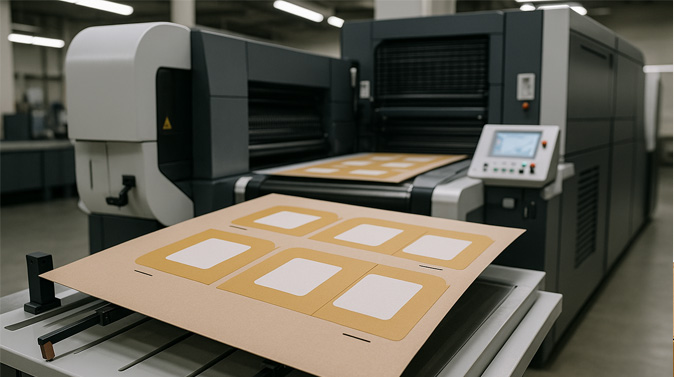
Localized printing means producing printed materials, packaging, labels, inserts, point-of-sale collateral within or near the region where they will be distributed. Rather than routing all work through a single, distant facility, you tap into a distributed network of domestic printers and material suppliers positioned close to your fulfillment nodes. This proximity reduces miles traveled and increases agility when demand shifts, illustrating why localized printing reduces your carbon footprint (and stress) through smarter logistics.
Local printers provide on-the-ground capacity, regional materials knowledge, and responsive scheduling. They help calibrate run sizes more precisely to real demand, lowering the risk of waste and trimming storage costs. Through Packaging Studio, you leverage vetted local partners with consistent color profiles and unified quality controls, ensuring brand standards are met from coast to coast. This is sustainable printing in action: consistent quality, lower emissions, and better resource utilisation.
Compared to a centralized model, localized printing delivers shorter lead times, simpler freight, and less exposure to disruptions. A centralized approach may be efficient for very high volumes, but it often requires bigger batch sizes, more warehousing, and long-haul shipping. By redistributing work into smaller, more frequent domestic runs, you align output with real-time needs cutting surplus inventory, reducing obsolescence, and eliminating unnecessary transport emissions. This approach supports eco-friendly printing by reducing paper usage and minimising make-ready waste.
Domestic Logistics: How Localized Printing Shrinks Transport Miles
Transportation is a major source of greenhouse gases in print and packaging logistics. When production happens domestically and close to consumption, the distance finished goods travel drops dramatically. Heavy pallets of cartons and labels no longer cross multiple states or oceans; instead, they move across shorter regional lanes or even within the same metro area. This shift directly reduces fuel use and CO2 output and is a core reason why localized printing reduces your carbon footprint (and stress).
Optimising distribution around domestic printing hubs further compounds savings. By mapping your DCs and retail clusters to nearby printers, you reduce the average mile per order and consolidate shipments efficiently. Fewer long-haul moves, fewer transfers, and fewer touchpoints mean lower emissions and a cleaner logistics footprint. For many brands, this single change yields measurable, near-term reductions in Scope 3 transport emissions and aligns with sustainable printing targets.
Domestic production also simplifies mode selection. Shorter lanes open doors to lower-emission options more LTL with optimised loads, regional carriers using newer fleets, or even electric last-mile delivery in select urban corridors. The ability to plan smaller, frequent deliveries from local sites reduces the reliance on air freight and urgent long-haul trucking, both of which carry higher carbon intensity per unit. This is eco-friendly printing logistics in practice, reinforcing reducing paper waste through better planning and fewer emergency reprints.

The Environmental Benefits of Localized Printing
Localized printing directly addresses emissions tied to both product movement and material use. Producing near demand centers reduces transportation miles, while smaller, more frequent runs curb waste and obsolescence. Together, these improvements deliver tangible carbon savings and showcase sustainable printing that meets business needs.
Shorter supply chains reduce paper and substrate waste. When you print closer to the point of need, you can place right-sized orders and avoid overproduction. Fewer obsolete items mean less disposal, and real-time demand signals combined with local capacity enable just-in-time runs that keep inventory lean without risking stockouts. This approach actively supports reducing paper usage and improving material efficiency.
Local sourcing of materials further decreases your carbon footprint. Using domestically manufactured paper, recycled board, and bio-based inks cuts upstream transportation associated with raw inputs. Because materials move shorter distances to the press and finished goods travel shorter distances to your facilities, total lifecycle emissions shrink. Domestic suppliers also tend to have better visibility into regional recycling streams and can recommend materials with higher post-consumer content or certifications aligned to your sustainability goals. These choices strengthen eco-friendly printing and contribute to reducing paper through better specification and right-sizing.
Does reducing printing reduce carbon footprint? Yes. Printing less through improved demand planning, digital proofs, and right-sized runs directly decreases the energy, materials, and logistics required. Localized printing amplifies this effect by pairing reduction with proximity: you buy only what you need, produced where you need it, and avoid emissions from long-distance freight. That’s why localized printing reduces your carbon footprint (and stress) while advancing sustainable printing.
Stress Reduction Through Localized Printing
Working with local printers simplifies coordination. Time zones align, on-site press checks are feasible without extensive travel, and faster sample turnarounds make approvals smoother and predictable. Teams spend less time chasing shipments, troubleshooting long-distance quality issues, or juggling storage constraints caused by oversized, centralized runs, another way eco-friendly printing reduces operational strain.
Shorter lead times reduce operational pressure. When a campaign shifts or a SKU changes, a local partner can reprint or adjust specs quickly, without the delays and costs of international freight or multi-state trucking. Packaging Studio’s regional workflows standardize color, dielines, and finishing options, allowing you to pivot without sacrificing brand consistency or hitting bottlenecks. These workflows support sustainable printing practices that minimise rework and help in reducing paper waste across iterations.
Closer relationships with local suppliers improve communication. Direct lines to production teams reduce misinterpretations and enable iterative improvements. You can schedule test runs, confirm color on press, and align on sustainable material swaps in days rather than weeks. This collaborative rhythm lowers last-minute scrambles, avoids expensive rush shipments, and builds confidence in every release illustrating why localized printing reduces your carbon footprint (and stress) in daily operations.
The Economic Impact of Localized Printing
Localized printing often unlocks cost savings by reducing shipping and handling. Freight for heavy paper goods stacks up quickly; when production happens closer to your distribution centers or retail locations, those costs shrink. Reduced transit distance also lowers damage risk and the need for protective packaging, further cutting both cost and waste while supporting eco-friendly printing strategies.
Keeping spend within your region strengthens local economies. Dollars invested in nearby printers, converters, and material suppliers create jobs and reinforce community-based manufacturing. As local partners grow, you gain access to more specialized equipment and sustainable options creating a positive feedback loop of innovation and resilience within domestic supply chains. This is sustainable printing with measurable community impact.
Localized printing supports flexible pricing strategies. Smaller, more frequent runs reduce the carrying costs of excess inventory and diminish write-offs from outdated materials. While unit prices for very small runs can be higher, the total landed cost including freight, storage, and obsolescence often decreases. With Packaging Studio, brands can consolidate demand across regional hubs to achieve bulk discounts on shared materials such as standardized boards, inks, or finishes while still printing locally. These practices contribute to reducing paper consumption through better planning and shared stock families.
Best Practices for Implementing Localized Printing
Selecting the right local partner begins with capability matching. Confirm the printer’s equipment supports your substrates, coatings, and color requirements. Ask about certifications (such as chain-of-custody for fiber materials), energy management practices, and waste-handling processes. Packaging Studio pre-qualifies domestic partners to ensure consistent quality, sustainability metrics, and brand alignment key elements of sustainable printing.
To optimize orders and reduce waste, right-size your print quantities using demand forecasts and sell-through data. Adopt digital proofing for copy and color alignment before any press time is booked. Standardize dielines and color profiles across SKUs to improve imposition and reduce make-ready waste. Where feasible, use gang runs and shared stock families to minimize material offcuts and maximize utilization. These steps are central to eco-friendly printing and reducing paper across your product portfolio.
Understand logistics from press to shelf. Map your fulfillment network and align each region with a nearby printing hub. Build buffer capacity by onboarding secondary local printers for peak periods. Establish clear service-level agreements for lead times, proofs, and delivery windows. Integrate tracking so you can monitor emissions-related metrics such as miles traveled, fuel type, and weight shipped per order. Packaging Studio provides these analytics to help teams quantify impact, document carbon savings, and refine strategy, proving why localized printing reduces your carbon footprint (and stress).
How does local sourcing reduce carbon footprint? By shrinking the distance raw materials and finished products travel, you lower transportation emissions at multiple stages. Local sourcing also encourages use of domestically available recycled fibers and renewable inputs that carry a smaller embodied carbon load, while improving visibility and compliance with regional environmental standards. This approach dovetails with sustainable printing principles and supports reducing paper usage where possible.
Domestic Production: Logistics Advantages You Can Measure
Domestic production delivers clear logistics advantages that translate to carbon savings and operational stability. Shorter lanes reduce lead times and variability. With fewer borders and export/import requirements, documentation and compliance are less complex, accelerating throughput from press to shelf. You can plan replenishment cadences aligned to regional sales patterns, reducing safety stock and warehousing needs and reinforcing eco friendly printing operations.
Route optimization is easier domestically. Real-time traffic and carrier performance data can be applied to local and regional runs, improving on-time delivery and reducing idling and detours that waste fuel. Consolidation opportunities abound when printers, DCs, and retail locations are geographically clustered, lowering per-shipment emissions and costs. These improvements support sustainable printing by cutting unnecessary transport and facilitating reducing paper tied to damaged or lost shipments.
Domestic carrier networks are increasingly modernized with telematics, route planning, and emissions reporting. Working with local printers enables closer coordination with carriers for end-to-end visibility on miles, fuel, and carbon intensity per load. These data streams support sustainability reporting and continuous improvement, making it easier to demonstrate progress toward emissions targets and highlight why localized printing reduces your carbon footprint (and stress).
Future Trends in Localized Printing
Emerging technologies are accelerating localized models. Digital and inkjet presses enable short, frequent runs with minimal setup waste and rapid changeovers. Advanced color management systems ensure brand consistency across locations. Workflow automation and API-driven ordering connect your teams to local capacity in real time, reducing manual touchpoints and the risk of errors. These innovations strengthen eco-friendly printing by reducing paper through precise, on-demand production.
Demand for sustainable printing is growing as brands adopt science-based targets and seek verifiable reductions. Localized printing supports this shift by delivering measured cuts in transport emissions and material waste. Expect increased use of recycled and responsibly sourced fibers, compostable or low-impact coatings, and low-VOC or vegetable-based inks paired with transparent reporting on lifecycle impacts. Together, these trends reinforce reducing paper usage and replacing virgin inputs with recycled content.
Looking ahead, the local printing landscape will expand through micro-factories and regional hubs situated near urban centers. Predictive analytics will match demand with local capacity, and on-demand production will reduce overprinting. As these trends mature, the environmental impact of printed packaging should continue to decline, especially when combined with material lightweighting, improved recyclability, and better end-of-life solutions. These advances exemplify why localized printing reduces your carbon footprint (and stress) while improving operational agility.
What is the most eco-friendly printing method? There’s no single answer for every application. For short to medium runs, digital printing with water-based inks and energy-efficient curing often yields lower waste and setup emissions. For longer runs, modern offset presses using alcohol-free dampening, vegetable-based inks, and high-recycled-content stocks can be highly efficient. The most eco-friendly printing option is the one that minimizes total lifecycle impact for your specific job materials, run size, energy mix, and transport all matter and supports reducing paper through smarter design and planning.
Frequently Asked Questions
Does reducing printing reduce carbon footprint?
How could using locally made goods lower CO2 emissions?
How does local sourcing reduce carbon footprint?
What are three ways we are trying to reduce CO2 emissions?
Putting Localized Printing to Work
Localized printing is more than a sustainability initiative; it’s a strategic operational advantage. When you move production closer to consumption, you reduce transport miles, increase responsiveness, and lower risk. Domestic hubs give your teams the ability to test, iterate, and deploy quickly, without the stress of long-distance freight or the burden of excess inventory. This is exactly why localized printing reduces your carbon footprint (and stress) while advancing eco-friendly printing.
Packaging Studio makes it straightforward to transition from a centralized model to a regionalized network. We qualify and manage local partners, align color and quality standards, and integrate workflow tools that connect your planning, procurement, and logistics teams. Our analytics reveal the carbon savings associated with domestic production, tracking miles, modes, and material choices so you can report progress credibly. These insights support sustainable printing and help prioritise reducing paper through accurate demand mapping.
Whether you’re introducing a new SKU, updating a regulatory statement, or refreshing seasonal packaging, localized printing keeps work closer to your customers and closer to your goals. You get the right product, in the right place, at the right time using fewer miles and less stress to get there. Embrace eco-friendly printing and sustainable printing practices that focus on reducing paper and waste, and you’ll see measurable benefits in carbon reduction, cost control, and operational calm.